
Resonant Design for Neurodivergent Spaces
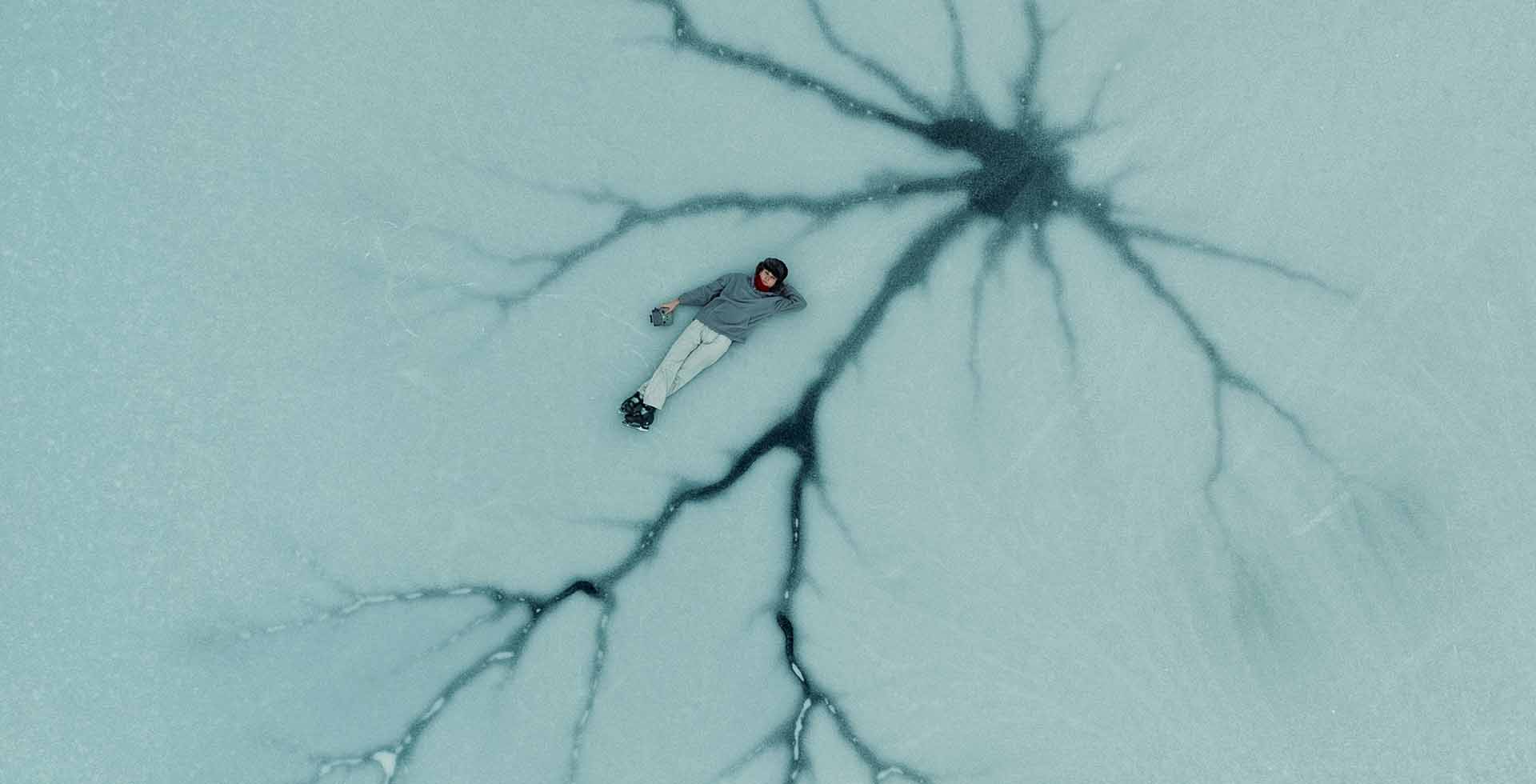
Listening to Sensory Intelligence
For many neurodivergent individuals, the world is not just loud — it’s dissonant. Sounds, colors, and spatial patterns that feel “normal” to some can cause overload or dysregulation in others.
But what if we could design environments that didn’t just minimize chaos — but actively resonated with each person’s unique sensory rhythm?
What is Resonant Design?
Resonant design is a method of creating spaces that align with the energetic and perceptual needs of individuals. In our case, we use biofield-informed data to guide the aesthetics of:
• Light frequencies and movement
• Sound environments (tone, rhythm, spatial audio)
• Fractal geometry and pattern repetition
• Aroma layering
This isn’t a treatment — it’s a hypothesis: that coherence in design can support coherence in the body.
Why Fractals and Frequency Matter
Fractals — self-repeating patterns found in nature — are shown to support cognitive ease, pattern recognition, and emotional regulation. Neurodivergent individuals often respond strongly to:
• Repetition and rhythm
• Subtle gradients over harsh contrasts
• Multisensory layering when introduced with care
By generating designs that respond to individual biofield signals or thematic collective inputs, we aim to create environments that feel attuned, not overwhelming.
Current Focus Areas
• Sensory portals for overstimulation recovery
• Resonant art for autism-friendly galleries or schools
• Emotional ecology visualizations for shared environments
• Biofield-reactive visual and auditory tools for focus or reflection
We’re currently collaborating with designers, therapists, and neurodivergent individuals to explore new prototypes.
Final Note
The goal isn’t to normalize — it’s to harmonize. Every nervous system has a rhythm. The Resonants exists to listen, and respond in kind.