
The Healing Power of Fractal Art: How Nature’s Geometry Supports Mental and Neural Wellbeing
Dr. Michelle Barry | Posted on |
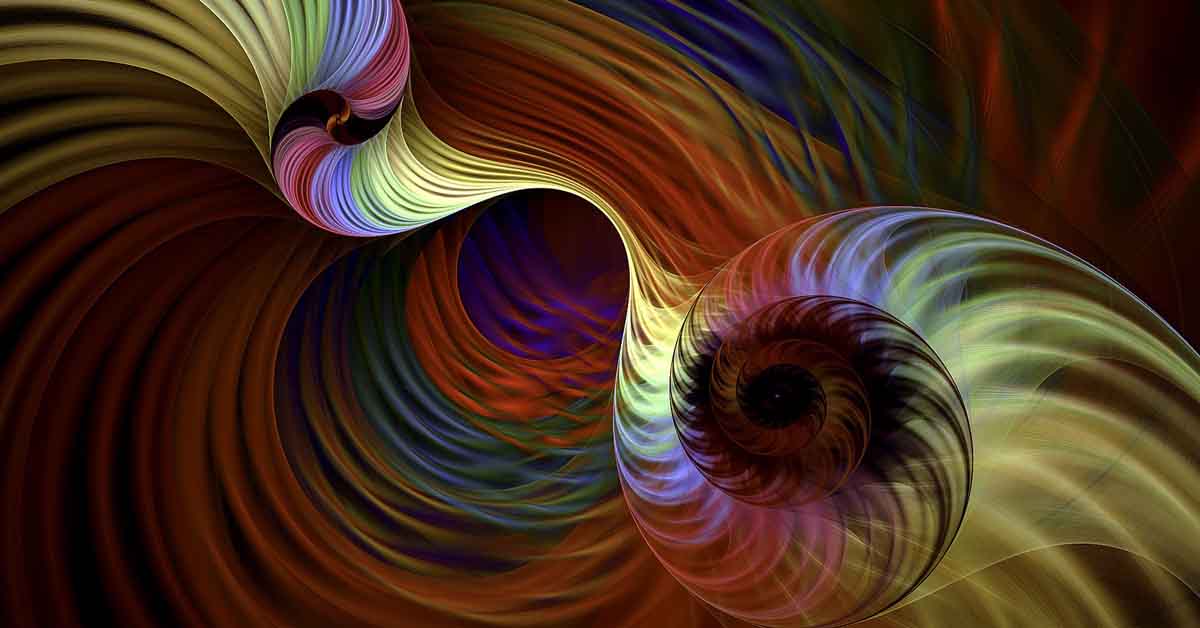
In the age of digital overload and rising mental health challenges, a surprising ally in the fight for emotional and cognitive wellbeing is emerging—fractal art.
With its mesmerizing, self-repeating patterns found in nature—think fern leaves, snowflakes, or coastlines—fractal art isn’t just visually beautiful. According to recent research, it holds real therapeutic power. From calming the nervous system to activating the brain’s reward centers, fractal visuals are proving to be much more than eye candy.
Why Fractals Speak to the Brain
Fractals are geometric patterns that repeat at varying scales, and the human brain is wired to love them. Studies have shown that our visual system processes fractals efficiently—especially those with a “fractal dimension” between 1.3 and 1.5. This range strikes a sweet spot between order and complexity, providing just enough stimulation without overwhelming us.
This efficient processing reduces cognitive fatigue and allows for a calming, almost meditative experience—similar to gazing at a forest or ocean waves.
Fractals and the Physiology of Calm
Looking at fractal art isn’t just a visual treat—it can lower heart rate, blood pressure, and skin conductance. These effects mirror those experienced during exposure to nature and are linked to activation of the parasympathetic nervous system, which controls the body’s relaxation response.
In short, fractals can help us physically unwind.
Emotional Rewards: Dopamine and the Beauty of Patterns
The brain doesn’t just recognize fractals—it enjoys them.
Viewing aesthetically pleasing fractals lights up reward centers like the orbitofrontal cortex and nucleus accumbens, increasing dopamine levels. This is the same chemical responsible for feelings of pleasure and motivation. In effect, fractal viewing becomes an emotional reset button, lifting mood and enhancing focus.
Fractals as a Mindfulness Tool
The repetitive structure of fractals naturally draws attention and stills mental noise. By engaging the visual system in a focused yet non-demanding way, fractals help suppress the default mode network—the part of the brain linked to negative rumination and mind-wandering.
This makes fractal art an ideal companion for mindfulness practices and mental resets.
Real-World Applications
Fractal art isn’t just for galleries—it’s being integrated into a variety of wellness strategies:
- Stress relief in workplaces and clinics
- Cognitive breaks to combat mental fatigue
- Meditation visuals for mindfulness practice
- Architecture and design that promote occupant wellbeing
Clinical Benefits: A Tool for Modern Therapy
Fractal art shows promise across a range of psychological and neurological conditions:
1. Anxiety
- Reduces physiological arousal and supports calm
- Helps downregulate the sympathetic nervous system
2. Depression
- Activates brain reward circuits to lift mood
- Interrupts negative thought loops
3. PTSD
- Provides non-triggering, meditative visuals
- Supports emotional regulation and grounding
4. ADHD
- Offers visually engaging but not overstimulating stimuli
- Aids in maintaining attention
5. Autism
- Provides structured, predictable visual input
- Can reduce sensory anxiety and overstimulation
6. Cognitive Fatigue & Burnout
- Gives the brain a gentle reset through visual rest
- Promotes recovery in high-stress environments
7. Insomnia
- Calming visuals assist with winding down before sleep
- Disrupts rumination and pre-sleep anxiety
8. Dementia and Alzheimer’s
- Engages visual and emotional centers without demanding memory recall
- Promotes moments of clarity and mood elevation
9. Stroke and Neurological Recovery
- Supports visual rehabilitation through gentle engagement
- Helps retrain attention and focus in a non-fatiguing way
The Takeaway: Fractals Are More Than Beautiful
Fractal art offers a non-invasive, accessible, and scientifically supported way to support mental health and cognitive wellness. Whether in therapy, classrooms, hospitals, or our homes, this unique blend of science and aesthetics has the power to restore balance, calm, and clarity.
If nature’s geometry can soothe our brains, maybe it’s time we hung more of it on our walls—or even used it in our digital lives.